Baby Is Due July 1 How Far Along Am I
Due Date Calculator
Week 4

Week 5

Week six

Week 7
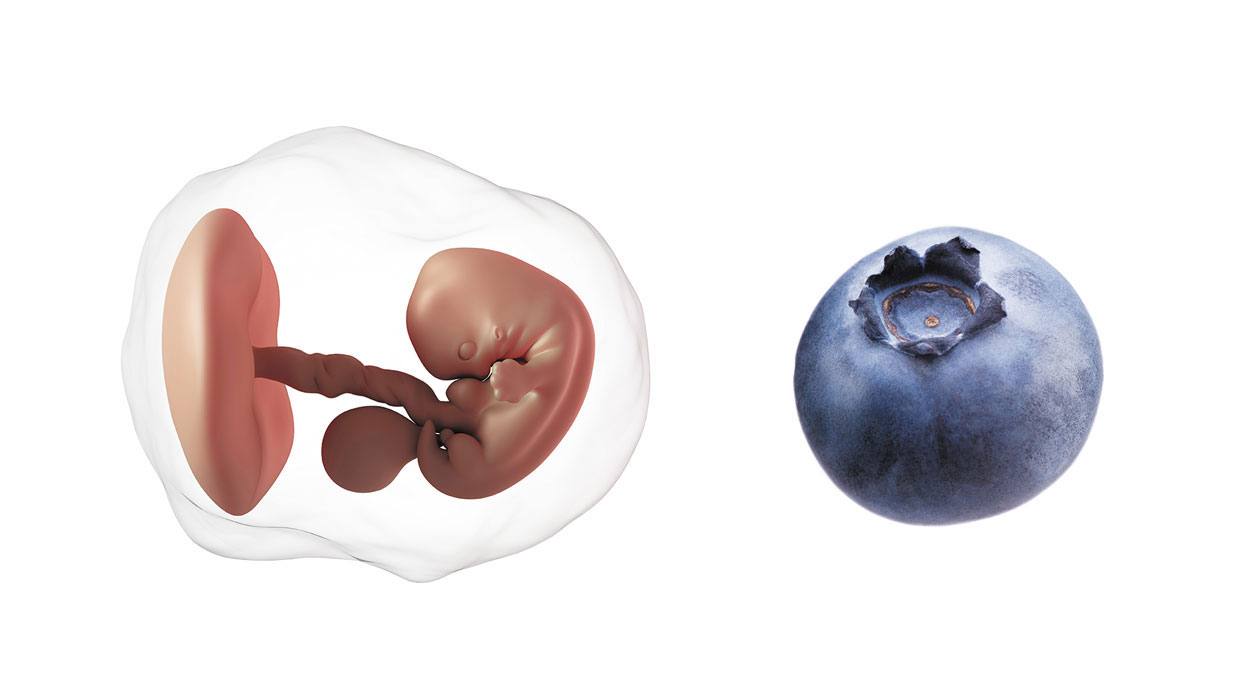
Week 8
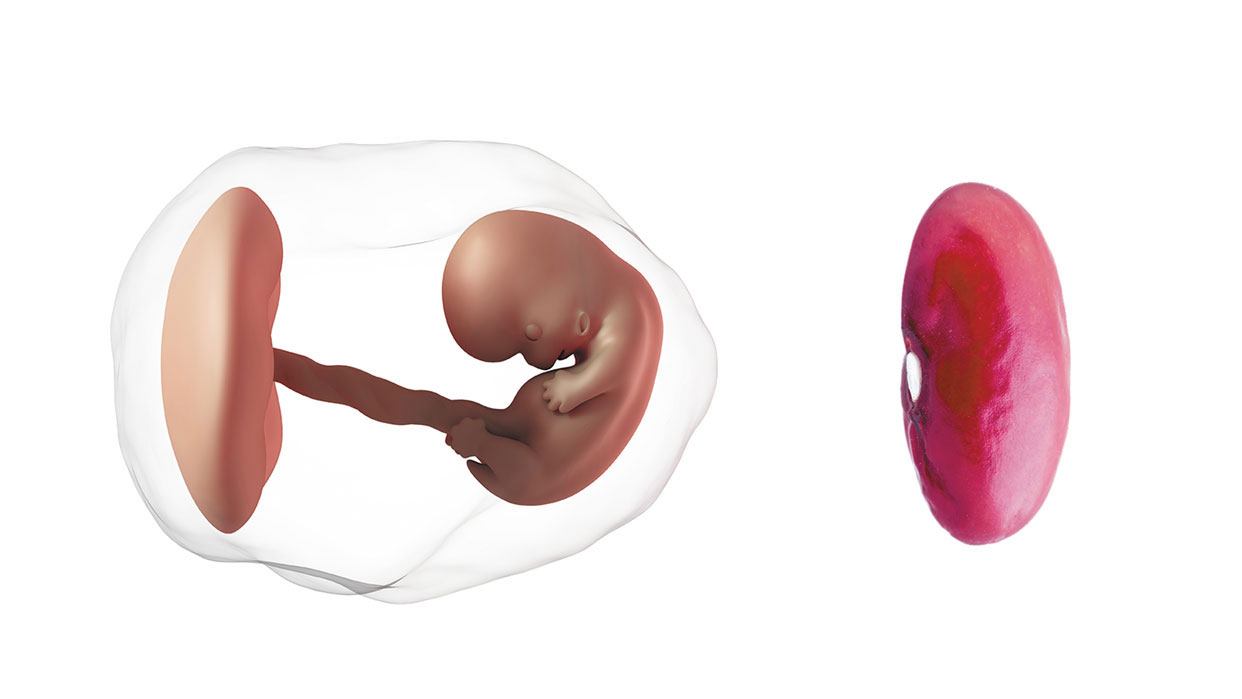
Week ix
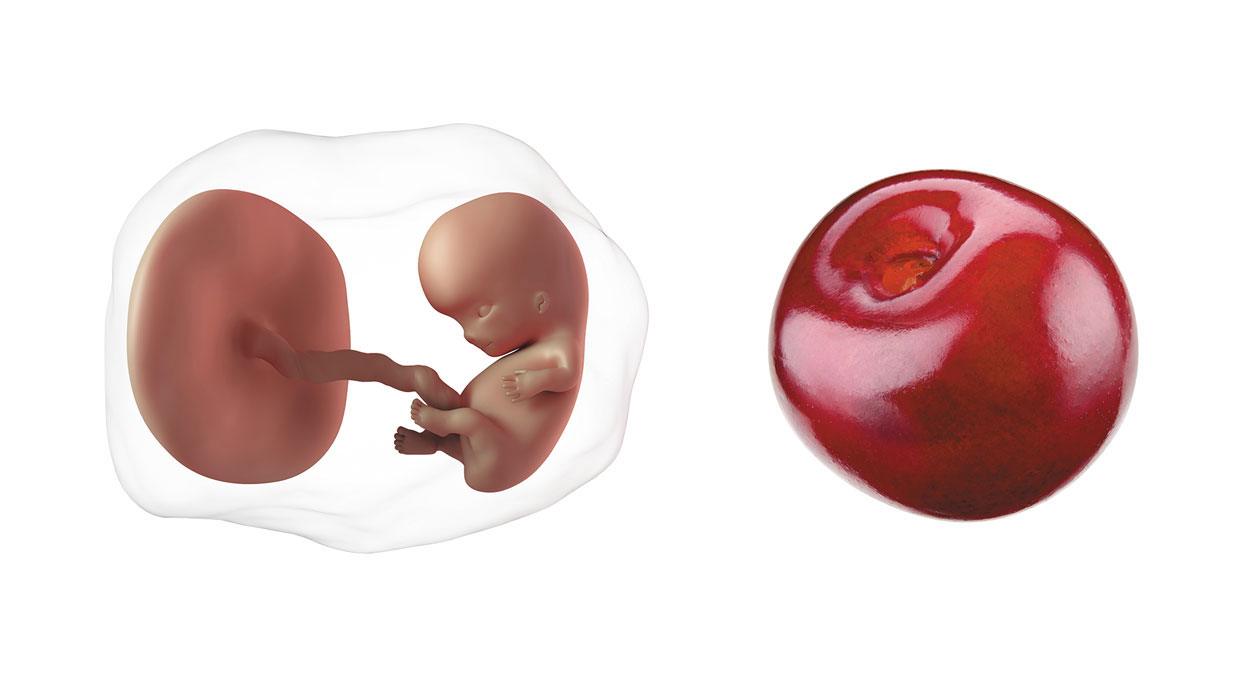
Calendar week 10

Calendar week 11
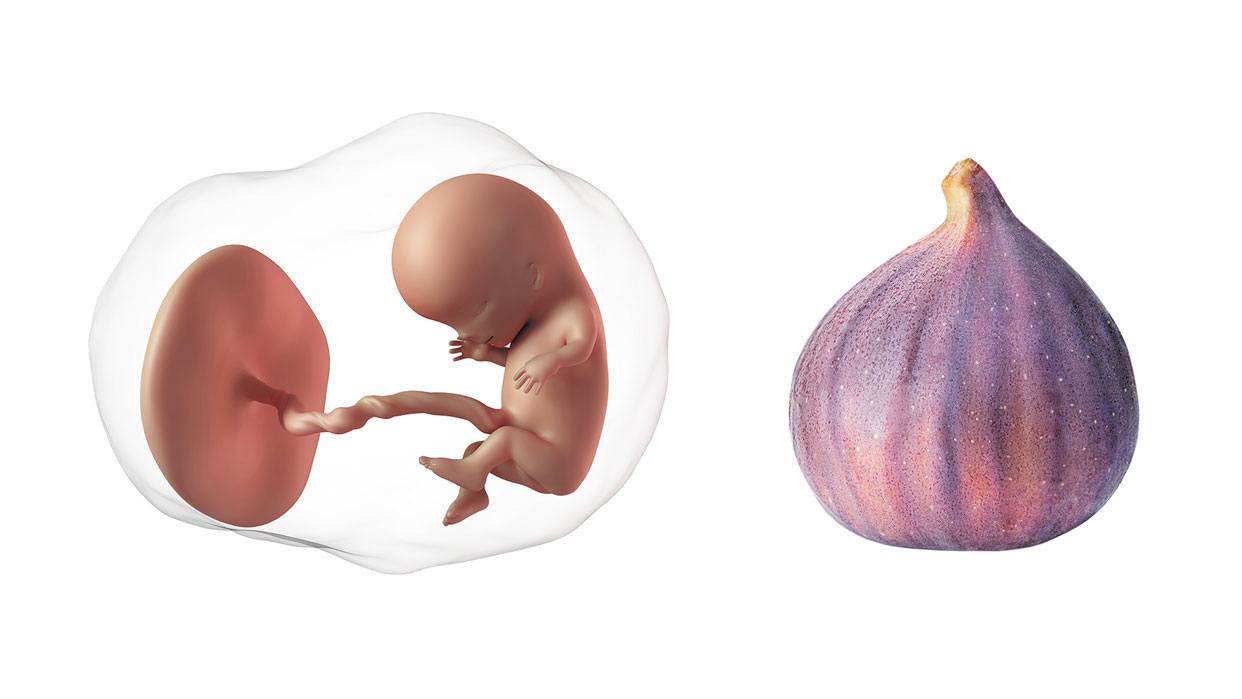
Week 12

Calendar week 13

Week xiv

Week xv

Week xvi

Calendar week 17

Calendar week 18

Week nineteen

Calendar week 20

Week 21

Week 22

Calendar week 23

Week 24

Week 25

Calendar week 26

Week 27

Week 28

Calendar week 29

Calendar week 30

Week 31

Week 32

Week 33

Calendar week 34

Week 35

Week 36

Calendar week 37

Calendar week 38

Week 39

Calendar week 40

Week 41

Week 42

Take a quiz
Find out what you lot can practise with our Health Assistant
Please note that Flo Health does not collect, process, or store any of the data that you enter while using these Tools. All calculations are done exclusively in your browser. Flo Health does not have access to the results. All data volition be permanently erased after leaving or endmost the folio.
You take taken a pregnancy test, and it appears to exist positive. Now y'all may be wondering when exactly your baby will go far. This is where due date calculators come up in.
- If you lot have already had your kickoff ultrasound scan, you tin use our Due Date past Ultrasound Calculator.
- If you have conceived through IVF, you can utilise our IVF and FET Due Appointment Calculator.
Due date calculation: How many weeks significant am I?
The due appointment, or estimated appointment of delivery (EDD), is the approximate date when labor is expected to begin.
As this date is just an estimate, y'all'll probably beginning labor quondam in the two weeks before and subsequently your due engagement.
In fact, only 1 in twenty people delivers on their estimated due date, which means only five per centum of babies worldwide are born on their verbal calculated date.
Gestational historic period vs fetal age
There are two ways to measure the age of a baby during pregnancy. To track pregnancy and calculate a due date, gestational age is used.
Gestation is the time between the conception date and birth, or how long a person is pregnant in weeks. Gestational historic period is measured from the concluding menstrual period (LMP) — the first mean solar day of your last period — to the current date in weeks.
In full general, pregnancies terminal anywhere from 38 to 42 weeks (or around 280 days). If a infant is born before 37 weeks, they are considered a premature baby.
The other method of measurement is fetal age. While gestational historic period measures how far along a pregnancy is in weeks, fetal age is the actual historic period of the growing baby.
You tin can read more most gestational age here and learn why it's used to track pregnancy.
How does the Flo Due Appointment Reckoner work?
You can choose between two methods when calculating your due date with the help of this reckoner:
- Due engagement past the last menstrual menstruation. When using this method, the due appointment is calculated by adding 280 days (or nine months, the common length of a pregnancy) to the first day of your concluding menstrual period.Note that this supposition is for a regular 28-day bike (cycles tin can vary from 20 to 45 days), and the menstrual period and ovulation are considered to be the first two weeks of pregnancy. Equally this method is affected by the regularity of your menstrual cycle, it's not 100-percent authentic.
- Due date past conception date (or ovulation). With this adding, 266 days of pregnancy are added to the date yous conceived.
More About Due Date Calculations
Method ane: Due appointment by last menstrual menstruum
There are several ways, or rules, to calculate the due date of a pregnancy by the terminal menstrual menstruation in addition to the standard one used in the Flo calculator. The following rules are modifications of the standard formula to become more than precise results, but considering the more data you can add to the calculation, the more accurate the due date may be.
Read on if yous're curious nigh how these avant-garde formulas piece of work in particular and how yous tin can use them to calculate a more precise due date.
1. Naegele's rule
This is the standard method of calculating a due date for a pregnancy. Flo too uses Naegele's rule every bit the main rule to calculate the due date.
The standard formula is equally follows:
LMP + 280 days
This rule considers a regular menstrual cycle to exist 28 days (it may vary from xx to 45 days), with ovulation occurring around the 14th twenty-four hour period of the menstrual bicycle. If your cycle lasts longer, the estimated due date will exist later. If you take a shorter bicycle, your due date will exist before.
two. Mittendorf-Williams rule
The Mittendorf-Williams rule is considered more advanced than Naegele'southward rule, because the more than info you provide, the more than accurate the results will be.
This rule is based on a report that showed that showtime pregnancies tend to be slightly longer (an average of 288 days from LMP), and for subsequent pregnancies, the delivery date is an boilerplate of 283 days from LMP.
- First, decide the first day of your last menstrual period.
- Next, count back three calendar months from that date.
- Lastly, add together 15 days to that date if it's your first pregnancy, or add together 10 days if it's not your first pregnancy.
Short formulas await like this:
- For first pregnancies:
LMP – three months + 15 days
- For subsequent pregnancies:
LMP – iii months + 10 days
iii. Parikh'south rule
Parikh's formula is used for irregular cycles, and the expected engagement of commitment is calculated by adding 9 months to the last menstrual period, subtracting 21 days, and then adding the duration of previous cycles.
In short, employ this formula:
LMP + 280 days – 21 days + the length of previous cycles*
*The average bike length
Even though this formula is considered a modification of Naegele'due south rule, past using it, the risk of any potential errors related to calculating your expected due appointment is greatly reduced.
4. Woods's rule
Woods's method takes into consideration the individual length of the menstrual cycle as well as the number of pregnancies a person has experienced.
1. First y'all calculate your expected due appointment.
- For first pregnancies:
LMP + 12 months – (two months and 14 days) = EDD
- For subsequent pregnancies:
LMP + 12 months – (2 months and 18 days) = EDD
2. Then you use the expected due date in the equations below.
- For cycles longer than 28 days:
EDD + (actual length of cycle – 28 days) = EDD
- For cycles shorter than 28 days:
EDD – (28 days – actual length of cycle) = EDD
Method 2: Due date by 24-hour interval of conception
You lot might think that it would exist easier to calculate your due appointment from the date you conceived by simply calculation 266 days, but it is a trivial more complicated than that. Even if you know the exact date you had sex, the exact engagement of formulation is almost never known. Why is that?
Because it can exist challenging to determine the exact appointment of ovulation and thus the date of conception. Sperm can live in the female torso for upward to 5 days, and the egg tin alive for 24 hours after it's released from the ovary.
Therefore, formulation can occur several days subsequently you've had unprotected intercourse.
Notes:
EDD - Estimated Due Date
LMP - Final Menstrual Catamenia (the first twenty-four hours of your last catamenia)
Source: https://flo.health/tools/due-date-calculator
0 Response to "Baby Is Due July 1 How Far Along Am I"
Post a Comment